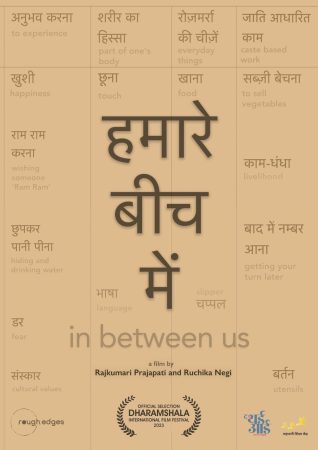
In Between Us: A Film on Caste and Gender
In Between Us/ Humare Beech Mein is a conversation between two women about making a film on caste. How do we film caste? What do we show? What do we hide? Who has access? Who refrains?


In Between Us/ Humare Beech Mein is a conversation between two women about making a film on caste. How do we film caste? What do we show? What do we hide? Who has access? Who refrains?
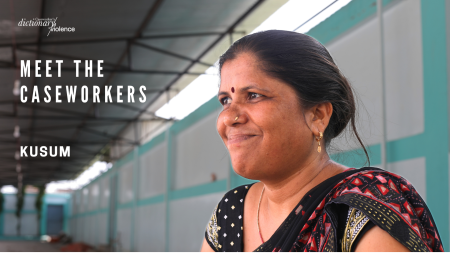
In this episode, meet Kusum from Mahrauni, Uttar Pradesh. Kusum has been working with Sahjani Shiksha Kendra since 2008. Knowledge has strengthened her and she has a strong understanding of the law.
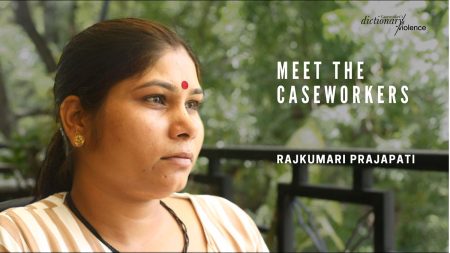
In this episode, meet Rajkumari Prajapati from Lalitpur, Uttar Pradesh. In 2008, 19-year-old Rajkumari joined Sahjani Shiksha Kendra as a teacher, where she taught girls and women in a residential school. Since then, she handles cases as a caseworker and also makes films with The Third Eye.
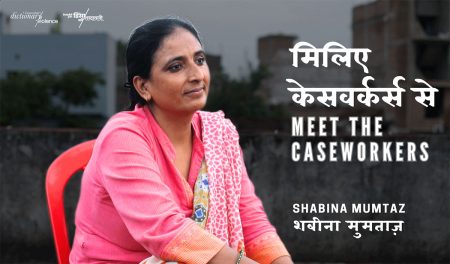
In this episode, meet Shabina Mumtaz from Banda, Uttar Pradesh. Shabina has been working with Vanangana NGO for 17 years on gender based violence cases. She says, “I do this work to process my own feelings and help others break free from instances of violence, focusing more on mental and sexual violence.”
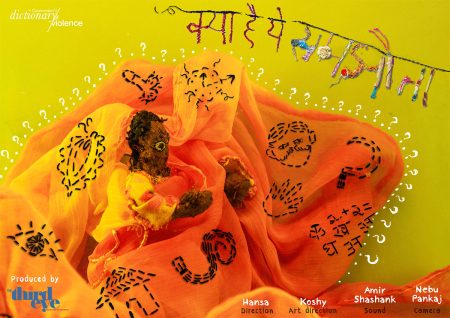
Kya Hai Yeh Samjhauta works with material of the everyday, scraps of cloth, needle thread and the timbre of human voices (“The voices of the caseworkers animate the dolls, and is the documentary part of this,”) to explore these questions. The scraps of cloth in turn, animate the grain of the voices, to gesture at the many choices women make when faced with domestic violence.
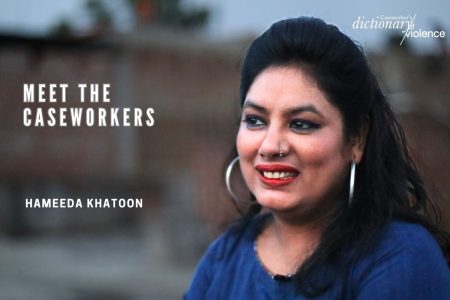
In this episode, meet Hameeda from Sadbhavana Trust in Lucknow, who sees samjhauta (settlement) as a tool, in order to try out new ways to negotiate.
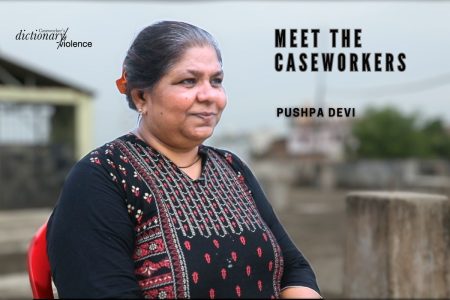
In this episode, meet Pushpa from Vanangana in Banda, who centres the woman and not the family while working on the cases.
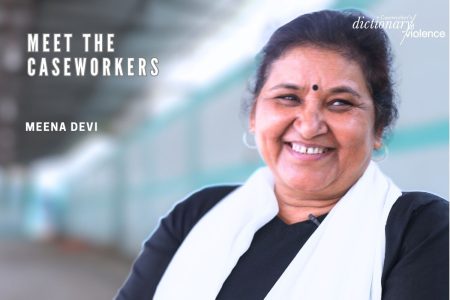
In this episode, meet Meena from Sahajani Shiksha Kendra in Lalitpur, who has worked with cases of violence for over three decades.
History syllabi tell us how Bharata thought of this dance at the behest of the gods; in the theory hours we utter slokas listing physical features that make one an ideal dancer, and in the practical classes we strive for angashuddhi (purification of limbs or movements).
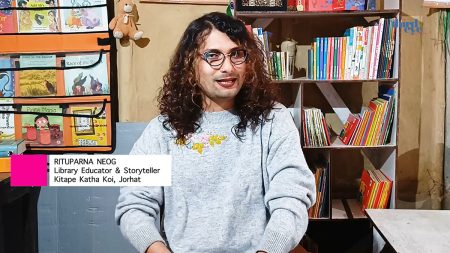
“A library is not about buying shelves and putting in books. Anyone can do that! It’s about how one can put their heart and soul into it. You have to invest dil se.”