Work as a social, political, and intellectual idea, and exploring its history and evolution through a feminist lens
November 2020
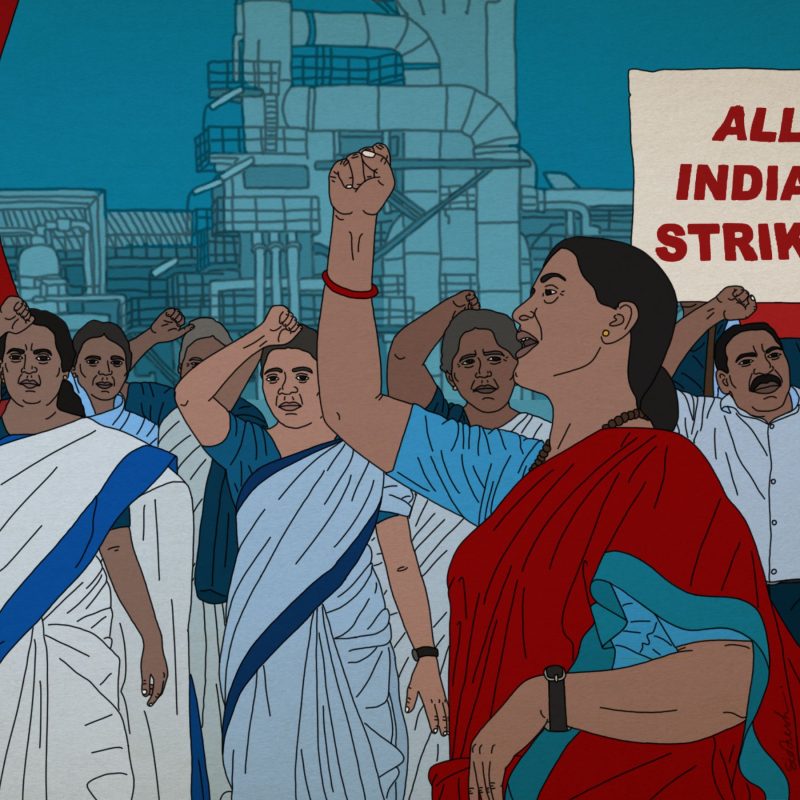
Our work is inherited, through our caste or gender. Our hands may be soft and necks stiff, because of our class. Our backs may be strong, and stomachs empty, because of our history. Our bodies continue to do what they must to feed the hydra-headed gods of culture, tradition and GDP. What is the measure of work, when it’s not done by an upper-caste, upper-class male?
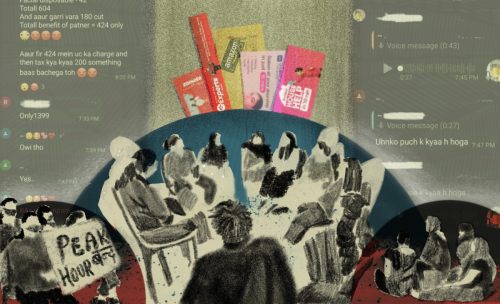
Platform work started becoming popular in India around 2010, but it took more than a decade for a single state to pass an act providing legal protection to platform workers. When these platform workers also happen to be women, the threats to safety intensify and the burden of unpaid labour piles up. How then do they manage to collectivise, let alone bargain with an algorithm?
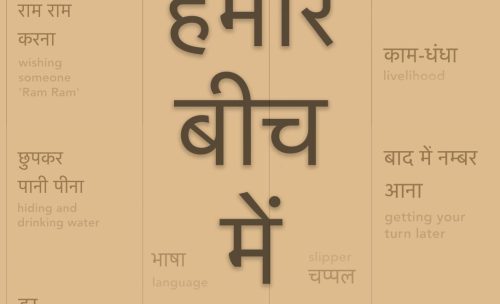
In Between Us/ Humare Beech Mein is a conversation between two women about making a film on caste. How do we film caste? What do we show? What do we hide? Who has access? Who refrains?
Where Anita brings us stories from the field, stories that became part of Nirantar’s Pitara as pieces of fiction that had an uncanny resemblance to lived realities. Each story is shared with women’s collectives in the rural and semi-urban areas, to spark off unlikely, sometimes unnerving conversations.
Feminist economists had long focused on time as a measure of work, or more specifically, as a measure of enumerating women’s work, even before we zoomed in on the endless time and labour women continued to expend on doing, doing, doing as the world ‘stayed at home’ during the pandemic.