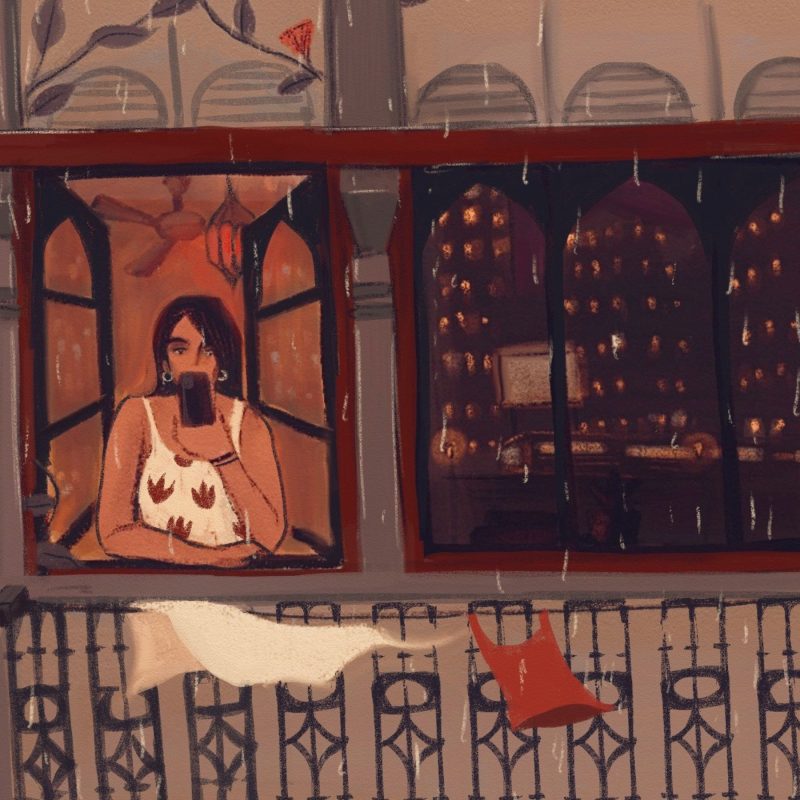
This edition brings together those that dream of cities, those who live in cities, and those who build cities. It carries a forensic interest in narratives that cities allow for, and also those it erases. It develops knowledge around lives exploring desire, and identity, self-determination and adventure, and the structures that make these explorations uncertain.
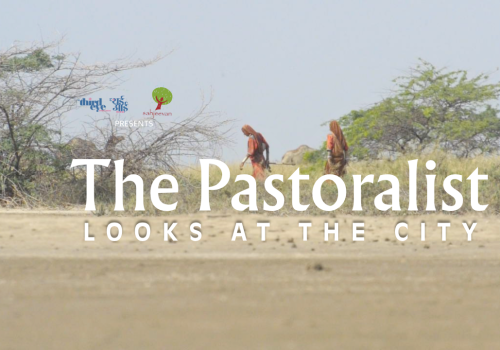
Pastoral livelihoods are considered anomalous to the development agenda: they’re wholly invisible in the urban imagination. Though many are content to continue along the nomadic lines of their occupation, in recent years some have considered ‘settling’ in the city to formally educate the next generation.
Do you remember the last time you were a stranger in a place? What did you see? What did you hear? How did you feel? As an educator working with the visual medium, I’ve been curious: what can we learn from the experience of being a stranger in a new place?
This interview reimagines the contours of the city. Mukul Sharma offers us an alternate history of Chandigarh through Nek Chand’s contribution to it, and positions Dalit eco-narratives as a lens to widen the scope of environmental justice.
This is an excerpt from the chapter ‘Anthropocene: “Modern” Chandigarh, Nek Chand, Rock Garden and Dalitbahujan Anthropocenes’ in Mukul Sharma’s Dalit Ecologies: Caste and Environment Justice (2024).
India’s suburbs have witnessed a residential construction boom over the last few years, often through land acquisition by the State, which was handed over to private builders.
One day, in the process of trying to understand the "digital", Khushi observed that young Muslim girls around her would only show their hands in the Reels that they made and uploaded on social media.