Home » Editions » Volume 006 : Pleasure and Danger
Volume 006
Pleasure and Danger
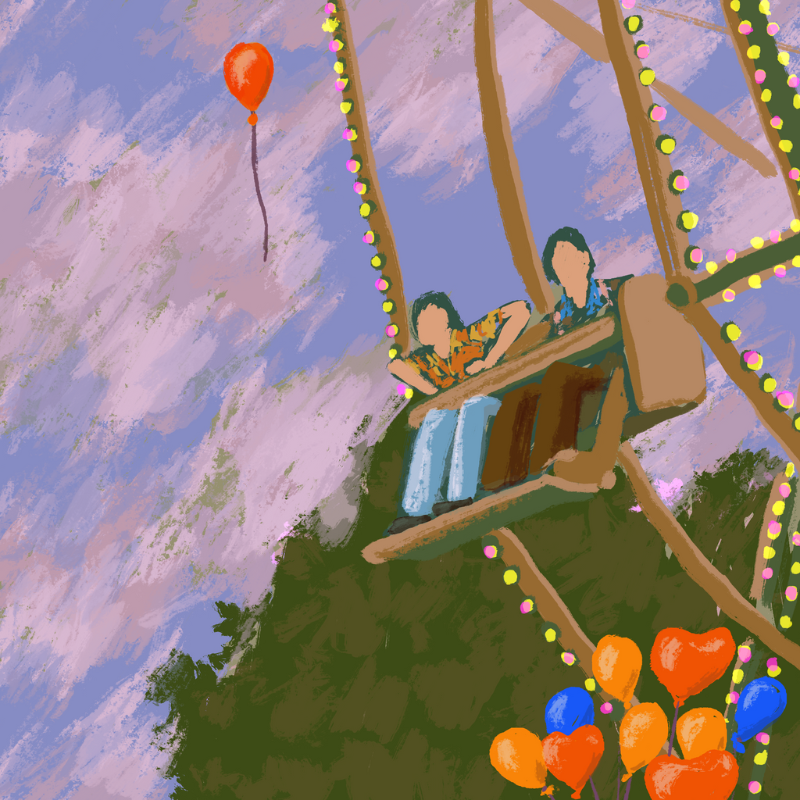
Desire on the edge of a cliff
June 2025
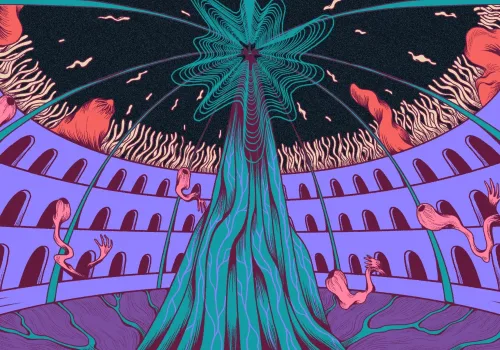
Looking at the human experience – especially as it intersects with desire, sexuality, sex, body, age, violence, hunger and thirst – through the lens of the psyche.
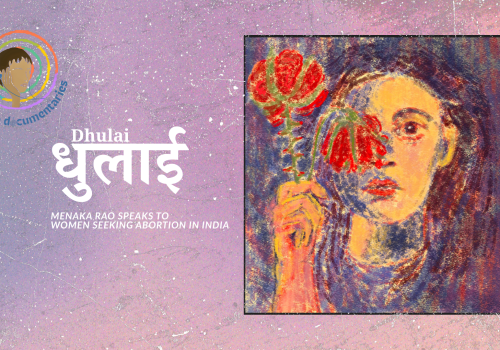
In this audio documentary, Menaka Rao, an award-winning health journalist, examines abortion through the lenses of health, law and disability. Using research on court procedures and interviews with specialists and stakeholders, including women who have had or wanted an abortion, Menaka lays out the socio-legal landscape of a woman's need for a safe abortion.
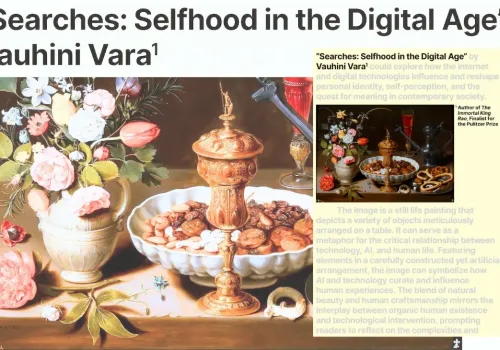
The much-discussed arrival of AI-generated text into the literary realm has cast us into a new era of authorship: nothing you publish online is free from its radar, ever. In this excerpt from her investigative book Searches: Selfhood in the Digital Age (HarperCollins, 2025), Vauhini Vara writes about how the accessibility of these tools, trained on huge data sets but constantly trawling the internet for more, brought an avalanche of ‘polished’, writing.
Vauhini Vara’s book is a personal history refracted through the history of technological capitalism. She shows us how generative technology, a mere imitation of human articulation, reaches a dead end when it comes to communication. She traces the then and now of digital innovation, and what is being mediated for us emotionally through the companies that design our personal chatbots.
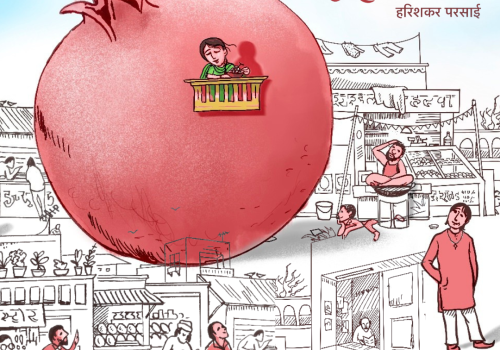
The Third Eye presents Harishankar Parsai’s Ek Ladki Paanch Deewane (one girl, five lovers) as part of our feminist fiction anthology — because we don’t need women to call themselves feminists in order to be interested in their lives.
This is Part V in a series on the psyche and sexuality, based on the author’s research, reflections and analysis, and looks at the sexual fantasies that seemingly pose a threat to our feminist politics. The essays in this series explain key psychoanalytic concepts and offer pedagogical possibilities while working on sexuality.
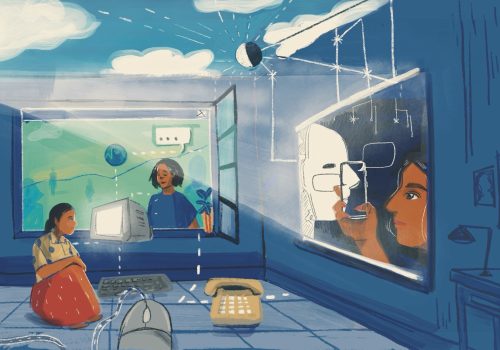
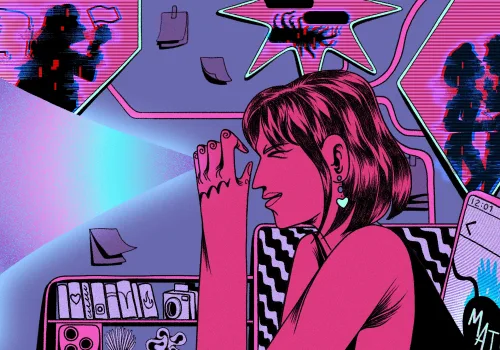
The digital world was supposed to give us the freedom to exist as we are, as who we can be. Yet, we’ve seen patriarchal structures underlying the way intimacy is shared online. Dating apps animate the romance of seeing our fullest selves — but do they continue to be liberating opportunities? Or is this one more way of getting locked into an identity?